a serendipity machine
fucking around and finding out that the world is beautiful

The god of photographers is a capricious god, one whose touch lands both heavily and deftly.
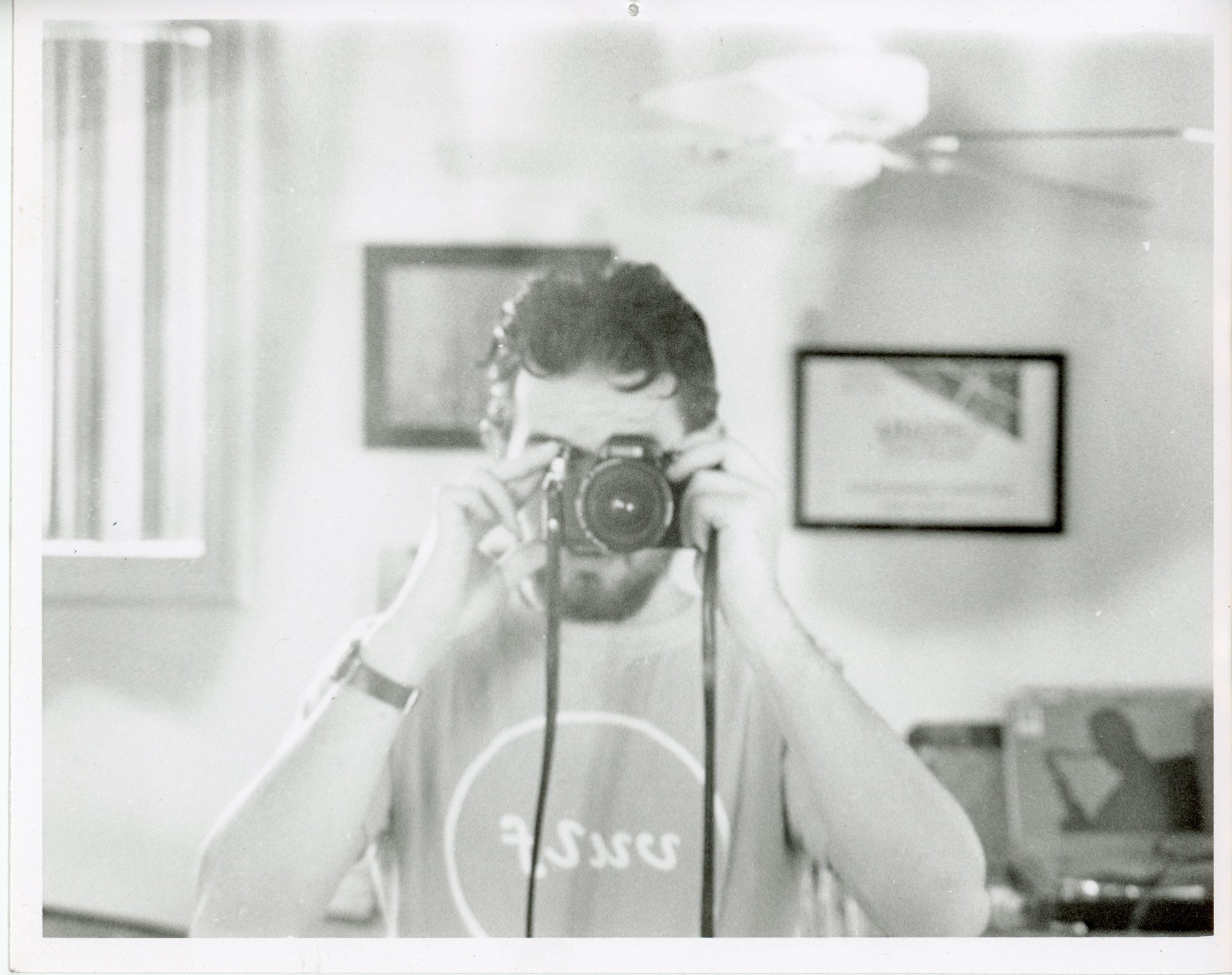
My first film camera quite literally fell into my hands. It was at the end of a semester in grad school. I’d misplaced a book on some absurd topic like “Music Bibliography” or “Schenkerian Analysis.” The last place I looked was the long-term Lost and Found, which was stashed in a tuba locker only accessible by standing on a chair. The guardian of this locker—Justin, maybe, was his name, a low-level staffer who secretly ran the entire school—unlocked it, and something black and heavy tumbled out. My book was not in the locker, but Justin [sic] said I could keep the camera, a Ricoh XR-10.
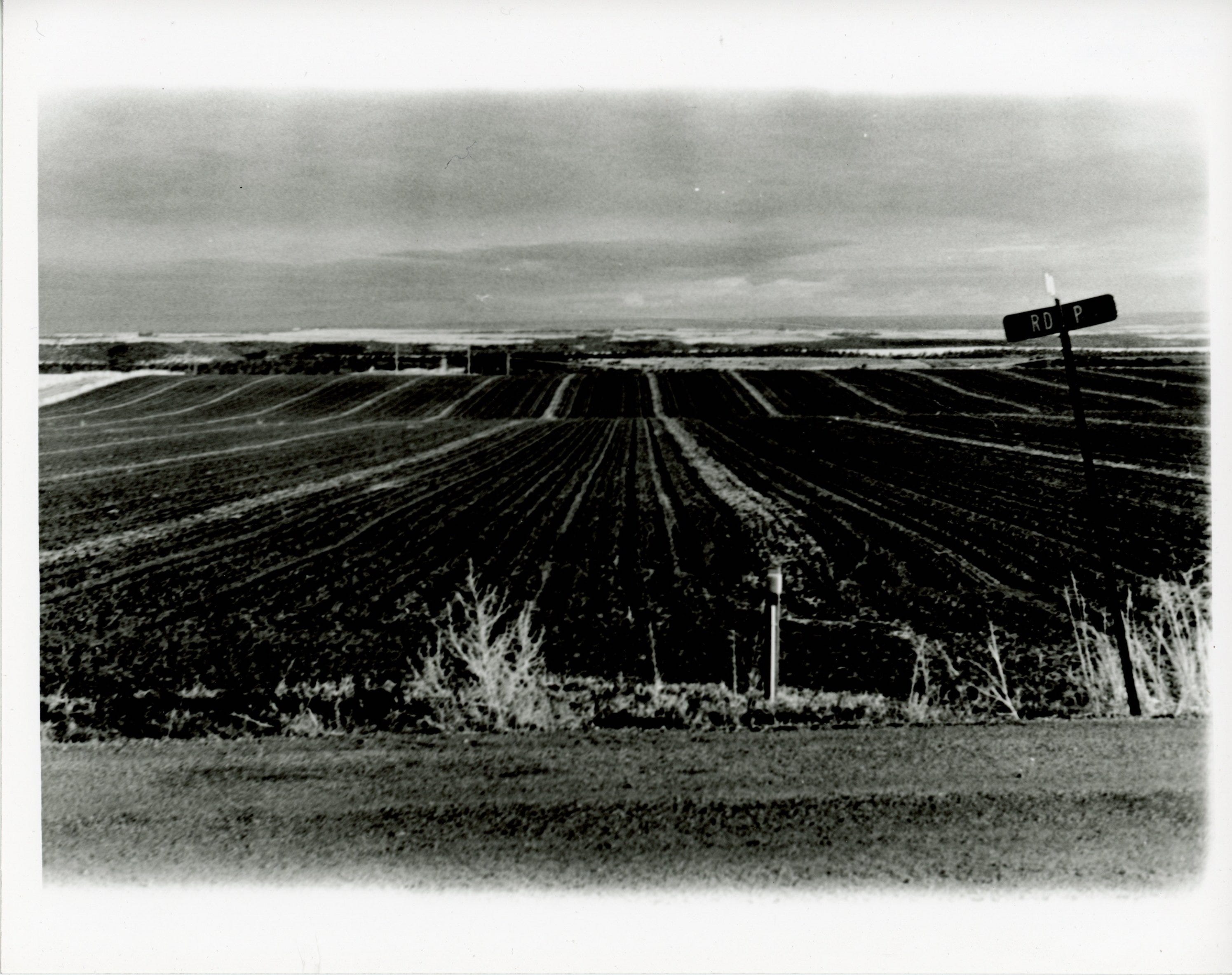
This was the first of several lucky finds. For instance, I found that film cameras tend to have extremely readable user manuals online in PDF form. I found a community darkroom in Boulder that you can rent for $10 an hour. I found that said darkroom happened to be in the very last building before town simply ran out at the convergence of 28th Street and Broadway, which merged and became a perfect and vacant road that led you to a place called Hygiene, CO.
Don, the longtime proprietor of the darkroom, taught me everything: how to wind film in plastic reels, the proper use of chemistry, how to enlarge and print images. If he charged me, it was only nominal. He sold me photo paper (which former darkroom users had evidently abandoned) for $1 a slice. I totaled up my expenses and left cash on his desk when I was done. Everything was honor system. He gave me the key with the instruction to lock up and slide it under the door when I left. The simple, natural progression of these events led me to believe that something like grace was in operation (me having done nothing whatsoever to earn this good fortune). This was confirmed when I printed a photo, the very first one I took, which remains one of my favorite shots to this day.
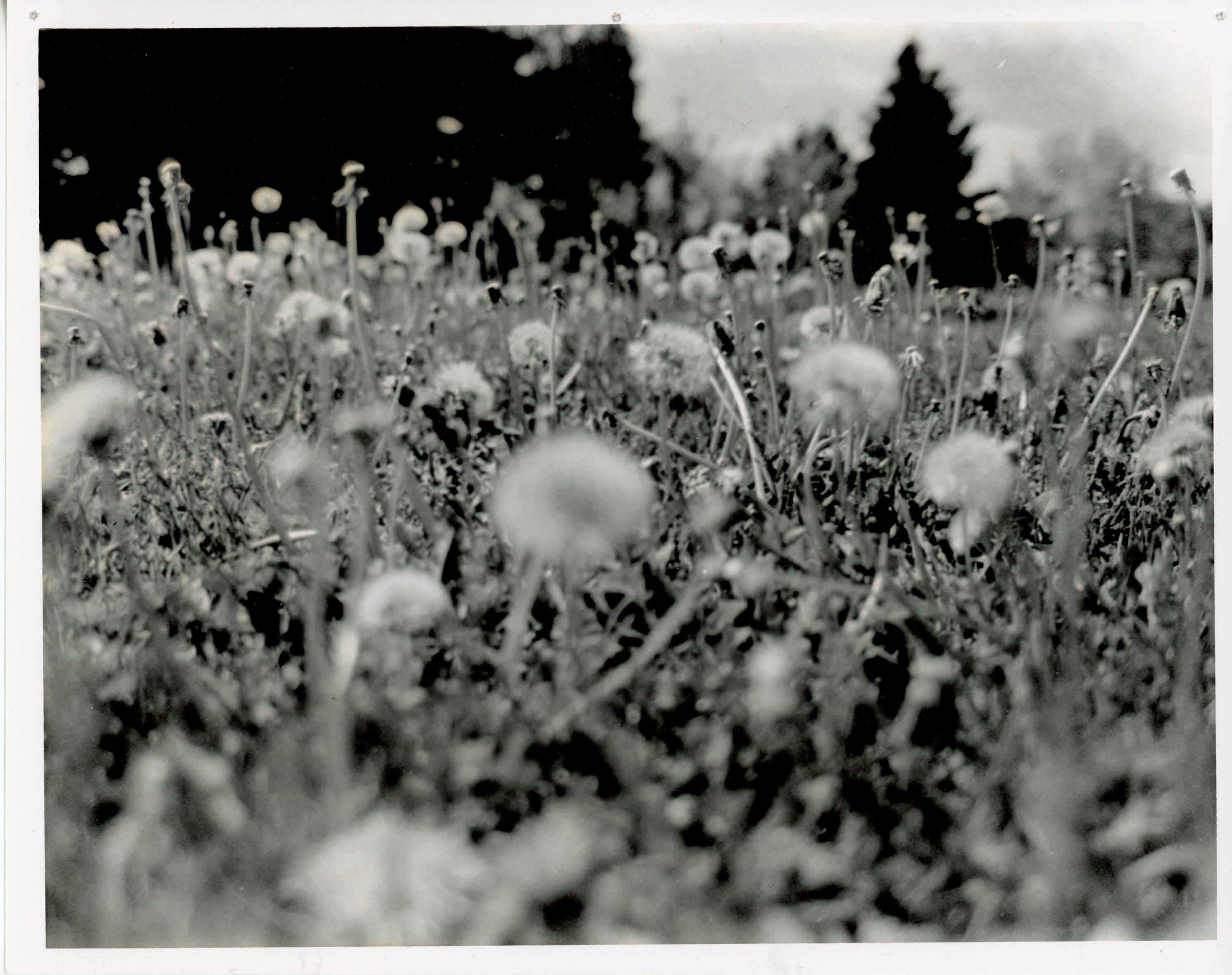
Don opened the darkroom in the early 70s. Originally, it was basically a front for selling pot (in empty cartridges aka ‘lids’). For him, legalization was a catastrophic event. He told me all sorts of things in the years I went there. I learned to budget an extra hour or so for his stories. I’d show up at the designated time, knock on the door (unmarked in a wall of corrugated tin), wait to hear Don shout, “Door’s open!” and enter to see him lounging throne-like at the far end of the shoe box space, a corner permanently cast in gloom or a dull red light. He was tall and retained a sort of frontiersman handsomeness, a handlebar mustache in gray-white, like the prospector who’d once struck it rich and burned through it all in a decade, or maybe the grandson of such a prospector, who’d lived his life at the hearth of such stories. He’d talk in a looping manner, tucking between decades, winking when the story necessitated, occasionally bumping into the present tense when the past came up for air.
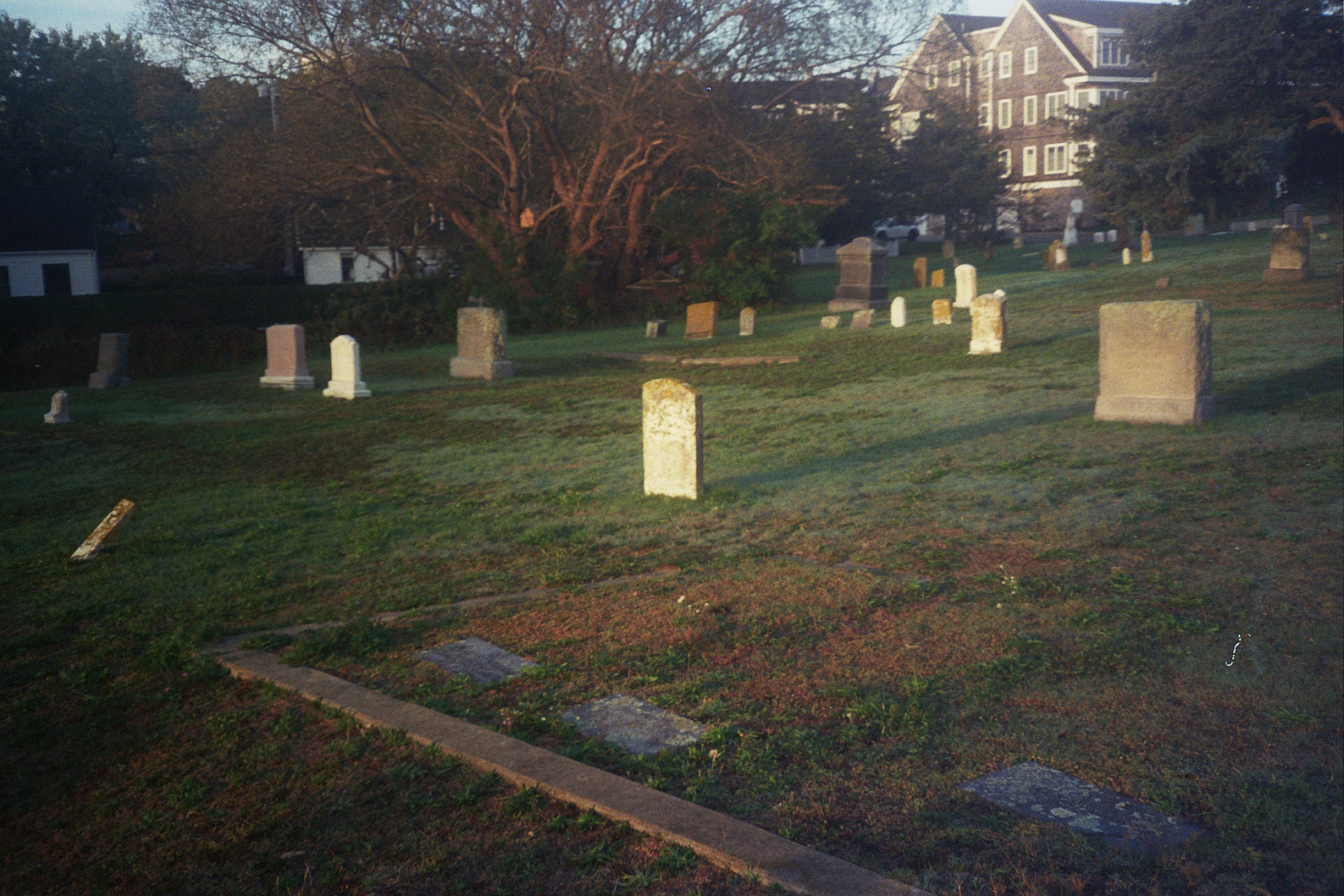
It’s a merciless hobby. Taking light measurements, remembering mnemonics for f-stops and apertures, adjusting the focus. In all likelihood, the shot gets away from you in this interval. So many photos lost. So many spools of film spoiled by my carelessness, or from fucking up something in the development process, those sweaty minutes in pitch blackness when all you have is the feel of your fingers to extract the film from the canister and wrap it safely in the tank.
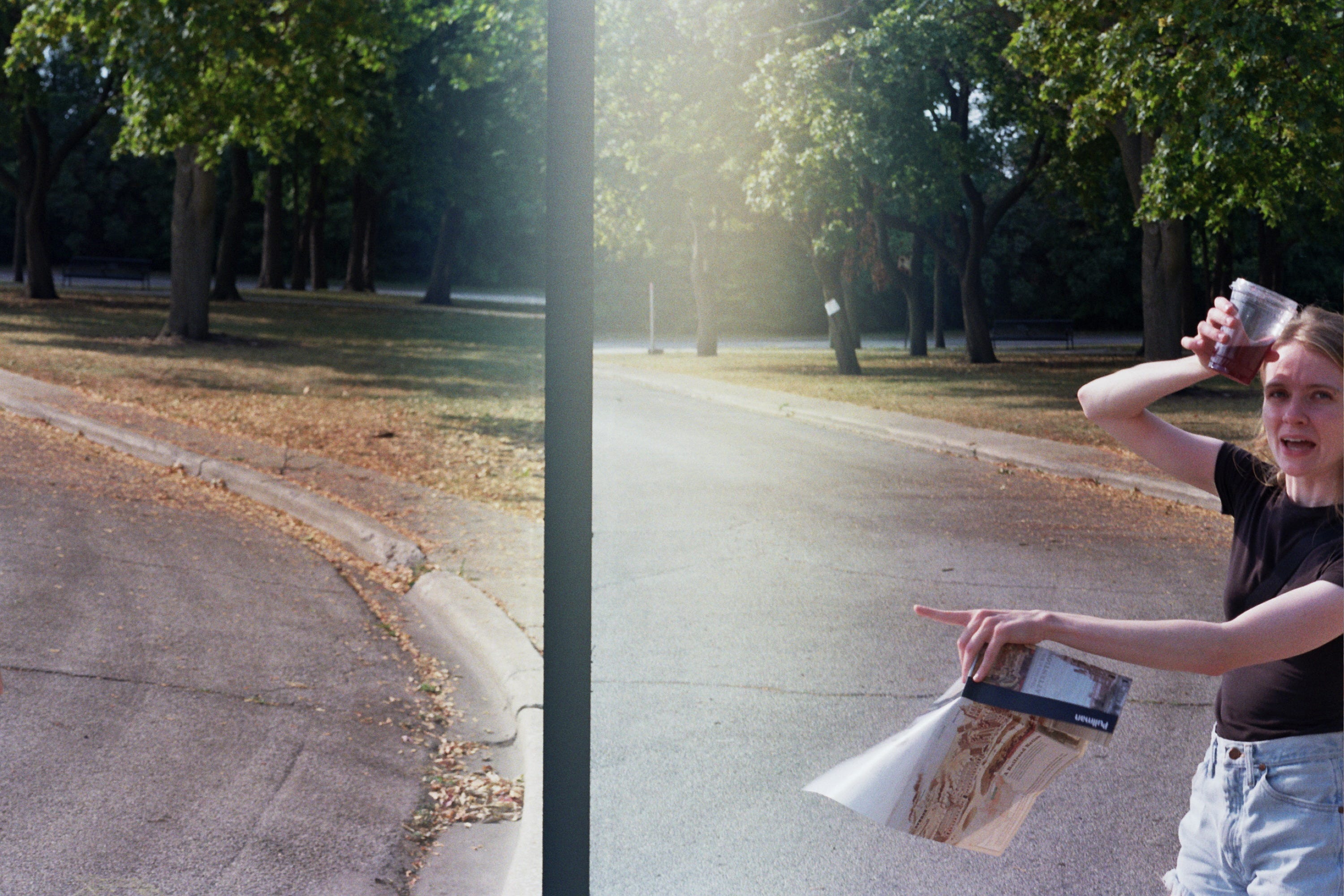
I spent a week and three rolls of film in New York City. I was on my street photography kick. I snapped a picture of Hispanic motorcyclists on 9th Avenue, and they yelled at me in Spanish that I, flustered, couldn’t summon in return. They followed me down the block after my failure to communicate. I can remember how striking their yellow helmets looked against the blank white wall. I hid behind a dumpster. When I got returned to Boulder, I learned there was an error with the winding mechanism. None of the pictures came out. Don put his hand on my shoulder. They never existed, he said. They weren’t meant to be.
So it goes with photography.

My favorite moment in the darkroom was always when you remove the developed film from the tank and hold it up, wet and glistening, to the overhead lights. Your eye scans the negatives for the sharpest contrasts: you’ll print first those first. This is the ledger of your luck: where have you been blessed, and where have you been passed over. I see no other way to think than this.
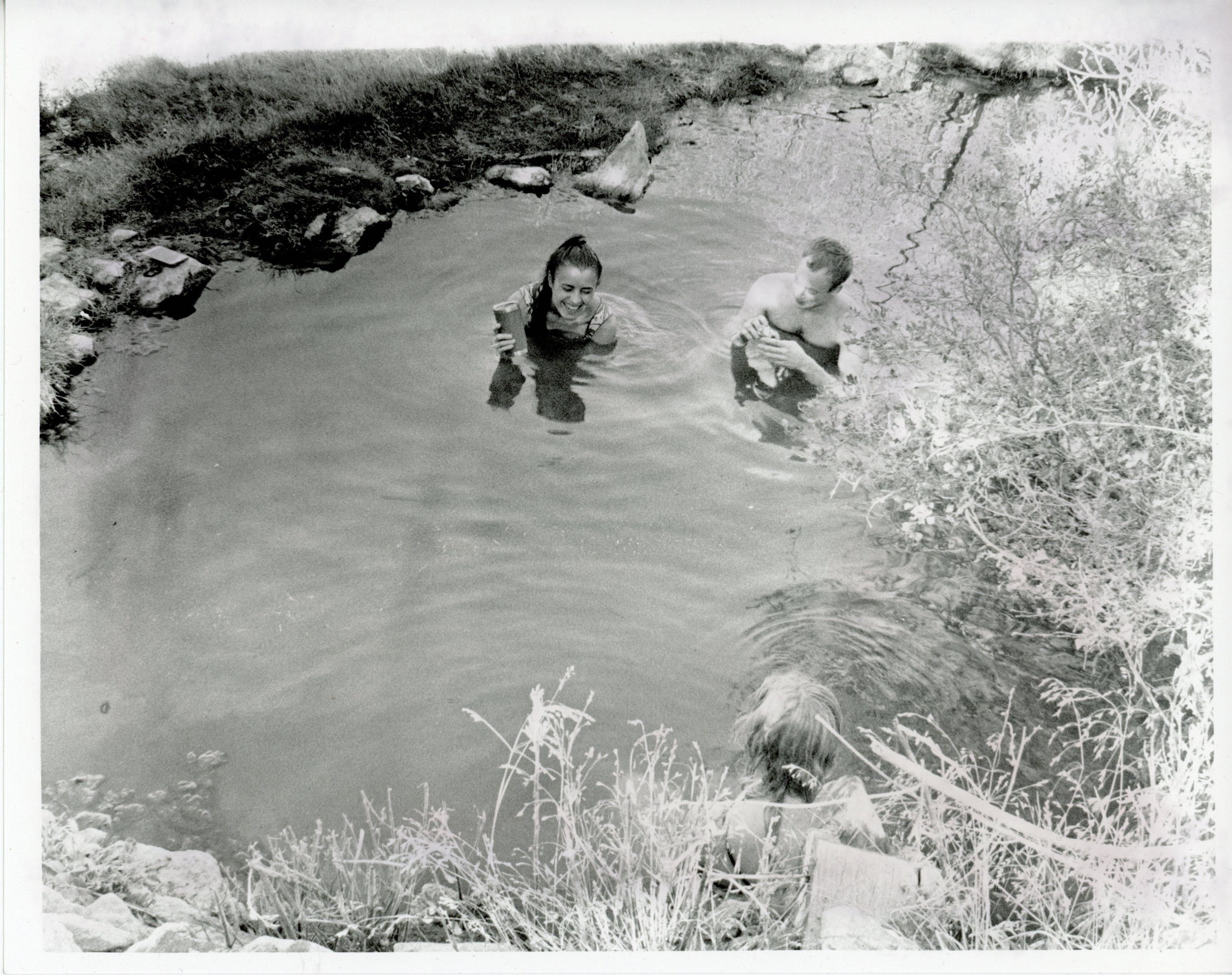
Ansel Adams’ book Examples: The Making of 40 Photographs, pairs several of his most famous pictures with essays about how he made them. It’s basically an ode to the mysterious chance that undergirds his greatest work. Bumbling around in error until you turn around and there it is: the perfect shot. The crucial thing is timing. Efforts to refine or recreate the critical moment always seem to miss some quality of motion or of light that grabbed you in the first place.
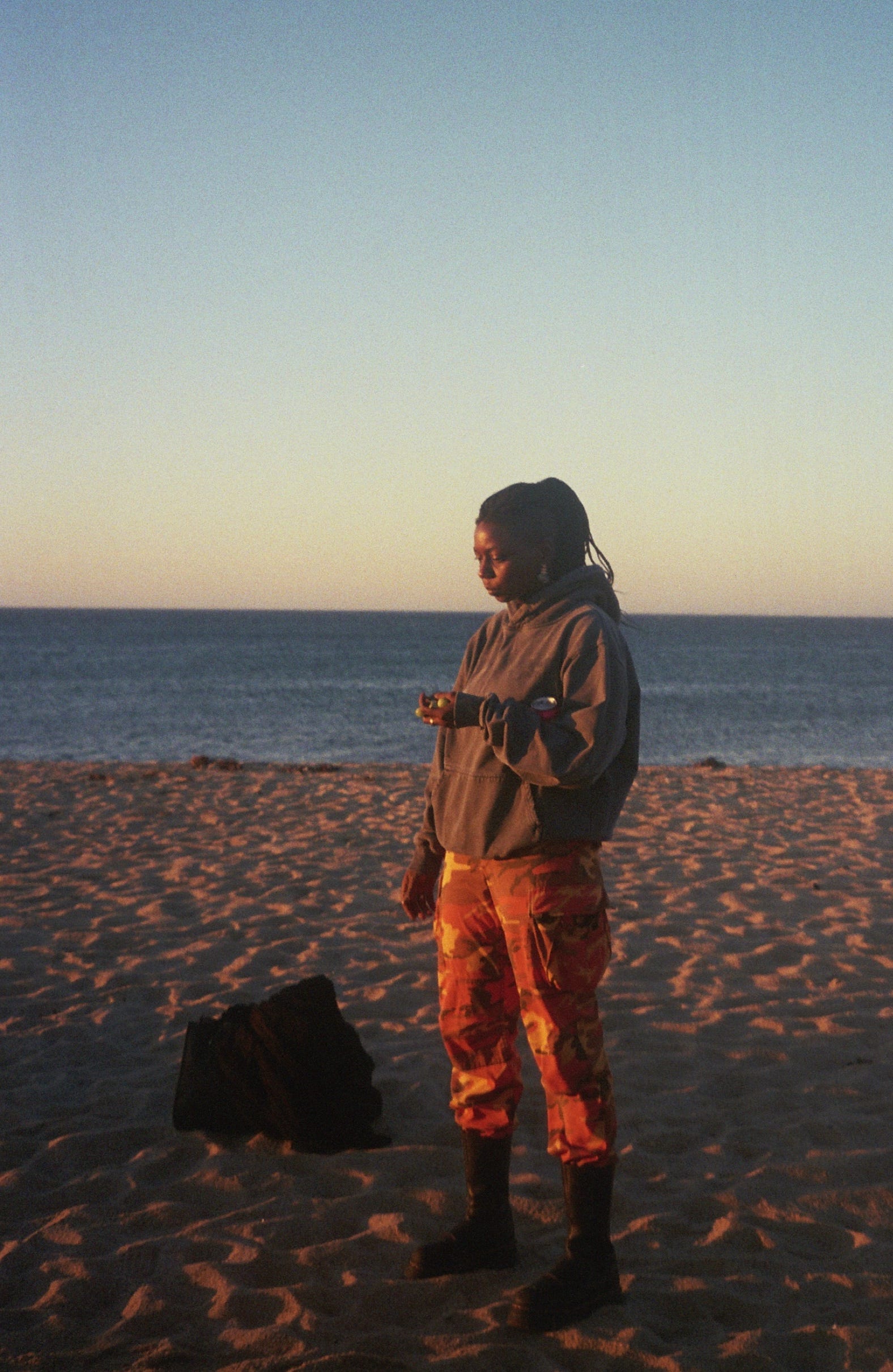
A camera is a dubious thing to carry. Feeling its weight, your eye breaks the world into light and composition. You make people into characters and objects and colors and rhymes. If your camera is visible on your person, you become suspicious in the eyes of others. A film camera, in particular, is loaded with social signification. You might be dismissed as ‘performative,’ or wanting to be perceived in a particular way.
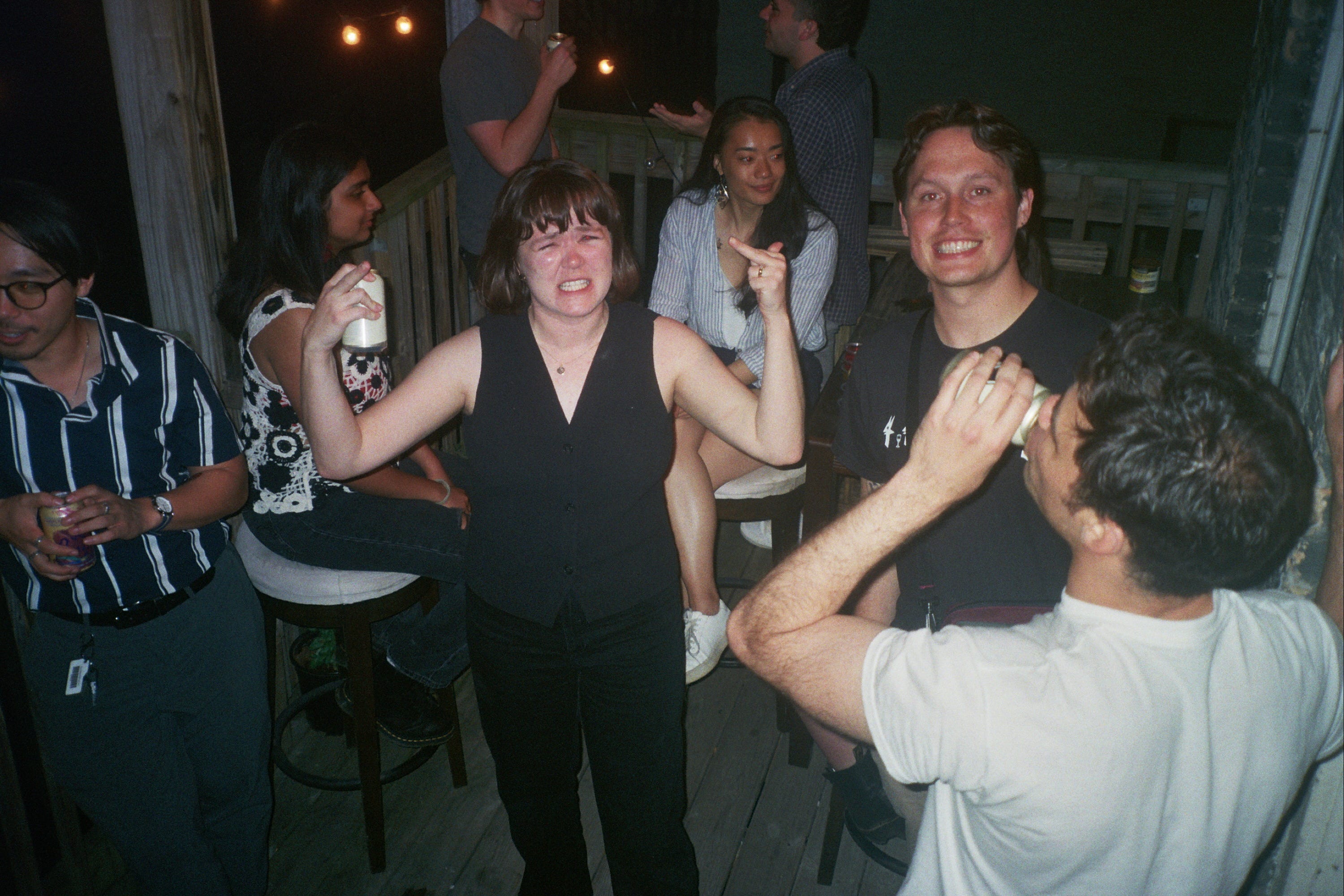
The opposite is true, of course. The photographer wants only to vanish (or at least I do), to flit between scenes and steal the ones that seem best. This is impossible, for the photographer is most like his tool: light, which changes what it touches, which itself is change, particle and ray, always unstable, never still. I’ve learned to take the photo while you can. The light will always shift. You might only have one shot at the shot.
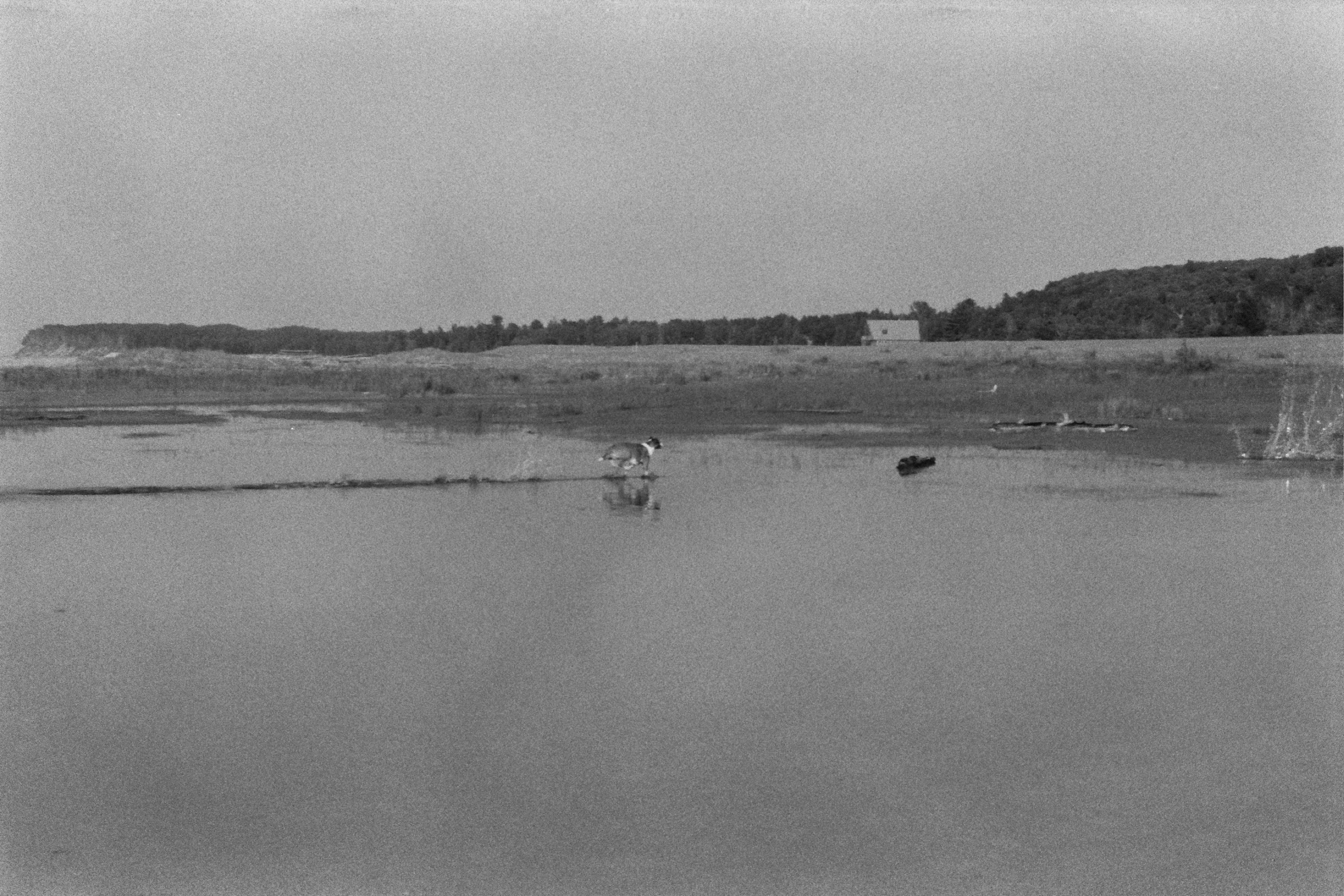
Recently, I told the story of finding my camera to a friend from Boulder. He told me he lost a camera of the same model years ago, that it had belonged to his dad. Surely, it was the same camera. I offered it back to him, but he said I should keep it. I think he respected that same principle. It’s better not to question serendipity in such matters, but to take what’s given, load the film, and fire.